
Original price was: $69.95.$42.67Current price is: $42.67.
- Easy, Fast Returns Guarantee
- Effortless Shopping, Quality Products
- High quality products, hassle-free returns.
- Get the quality you deserve, for less.

Bright spring flowers and vibrant fall foliage
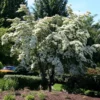
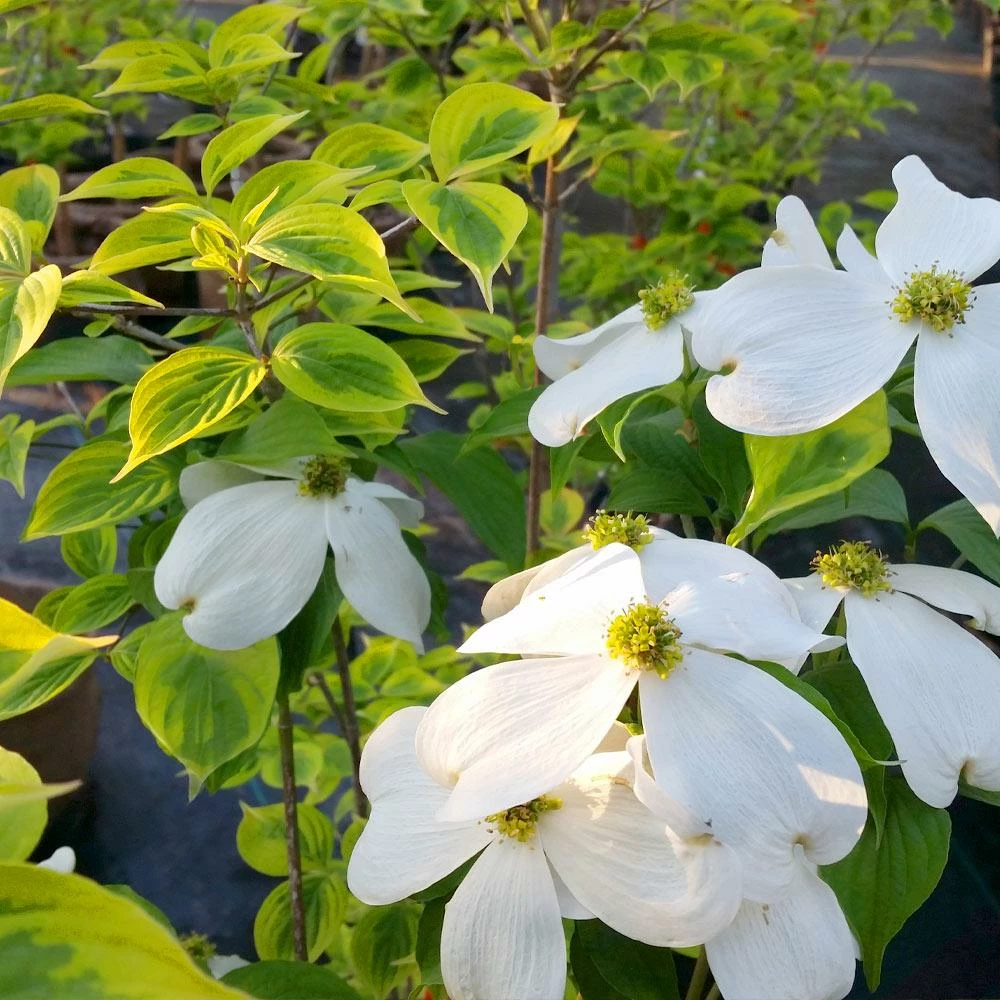
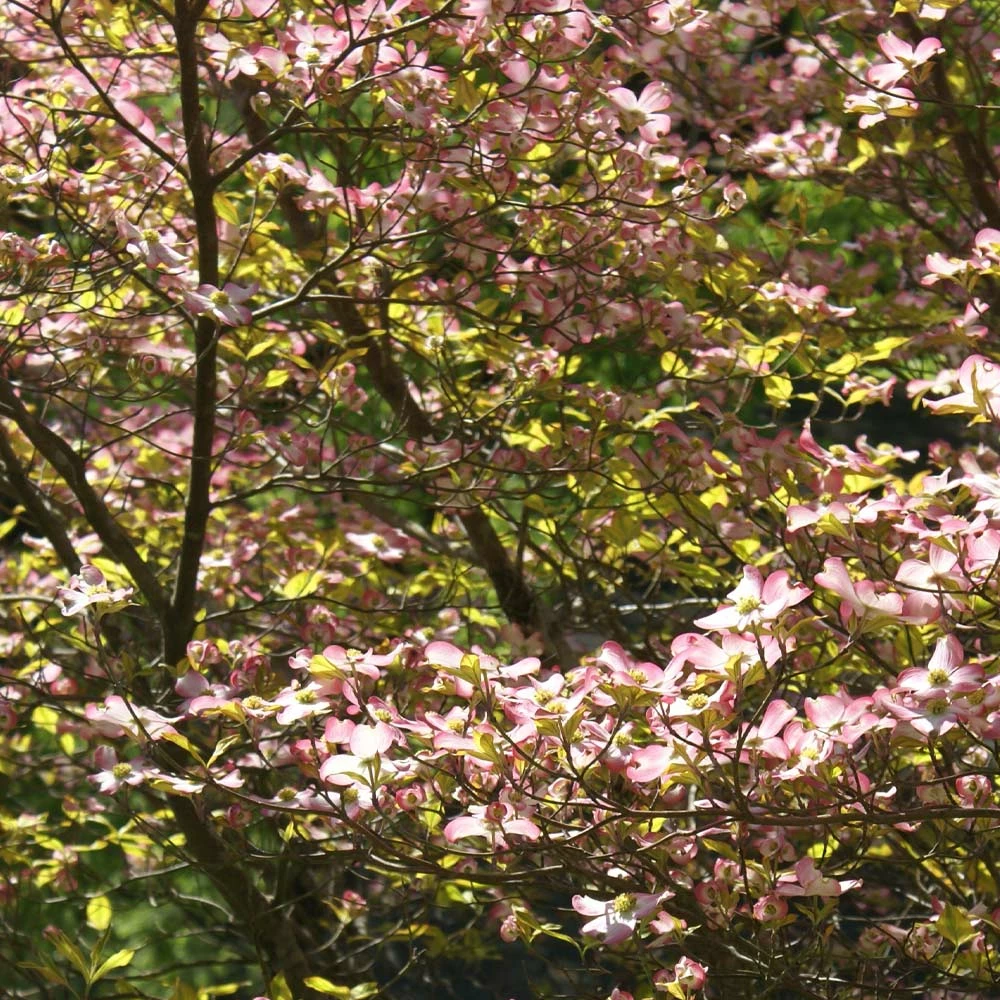
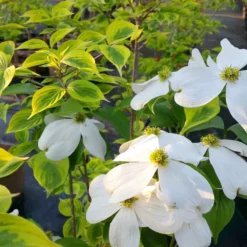
Prepare your lawn for multiple seasons of exciting color with the Celestial Shadow Dogwood. Early every spring hundreds of bright, cotton white blooms will emerge all over the tree. Then unique variegated leaves will fill in.
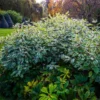
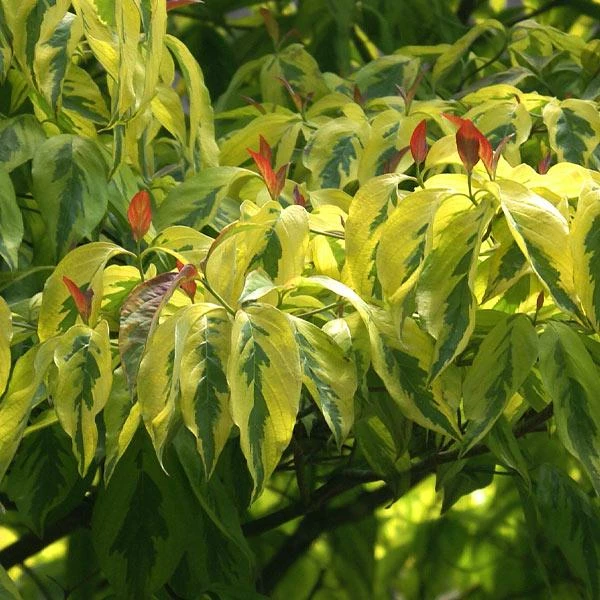
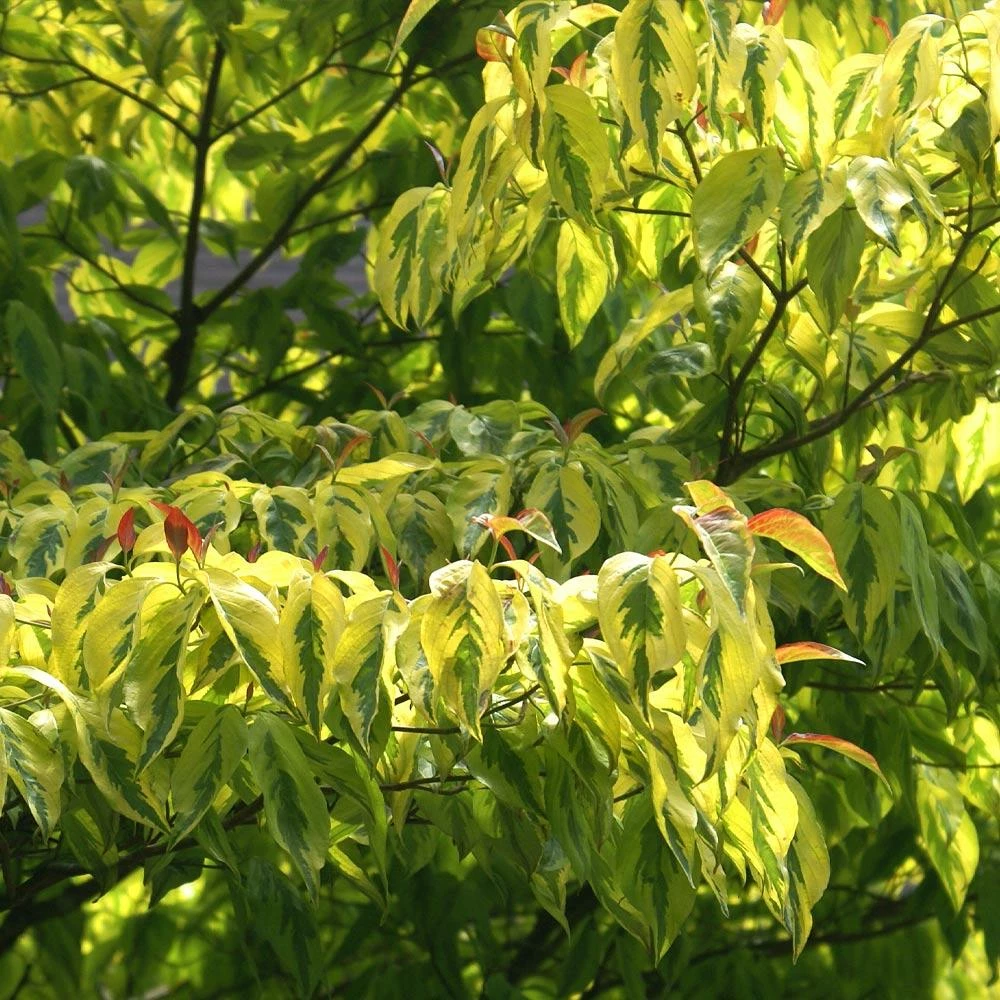
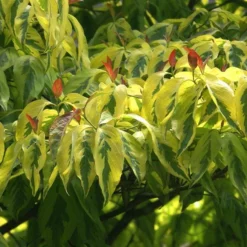
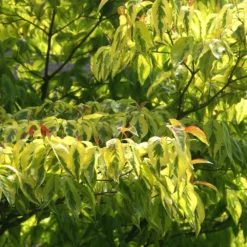
The leaves aren’t your average dogwood leaves because they have creamy white stripes around the edges with a lush green center. Most people have never seen a dogwood tree with leaves like these before!
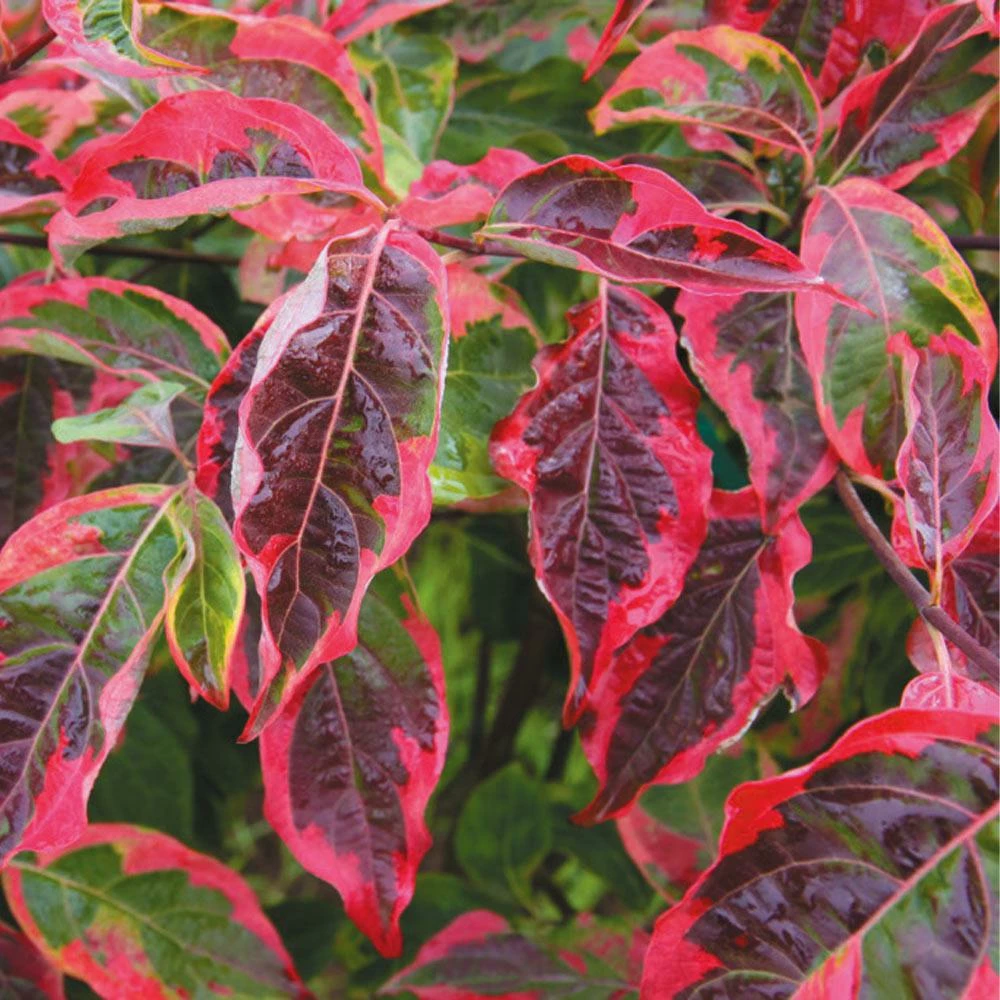
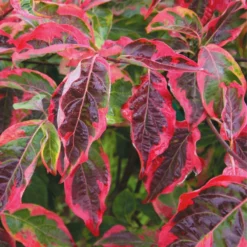
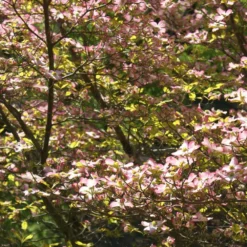
To make things even more interesting, once fall rolls around the leaves become infused with shades of fuchsia and purple. The bright leaves provide unique shades of fall color that are rarely seen on trees. The eye-catching shades of purple will capture everyone’s attention until the leaves drop in the winter.
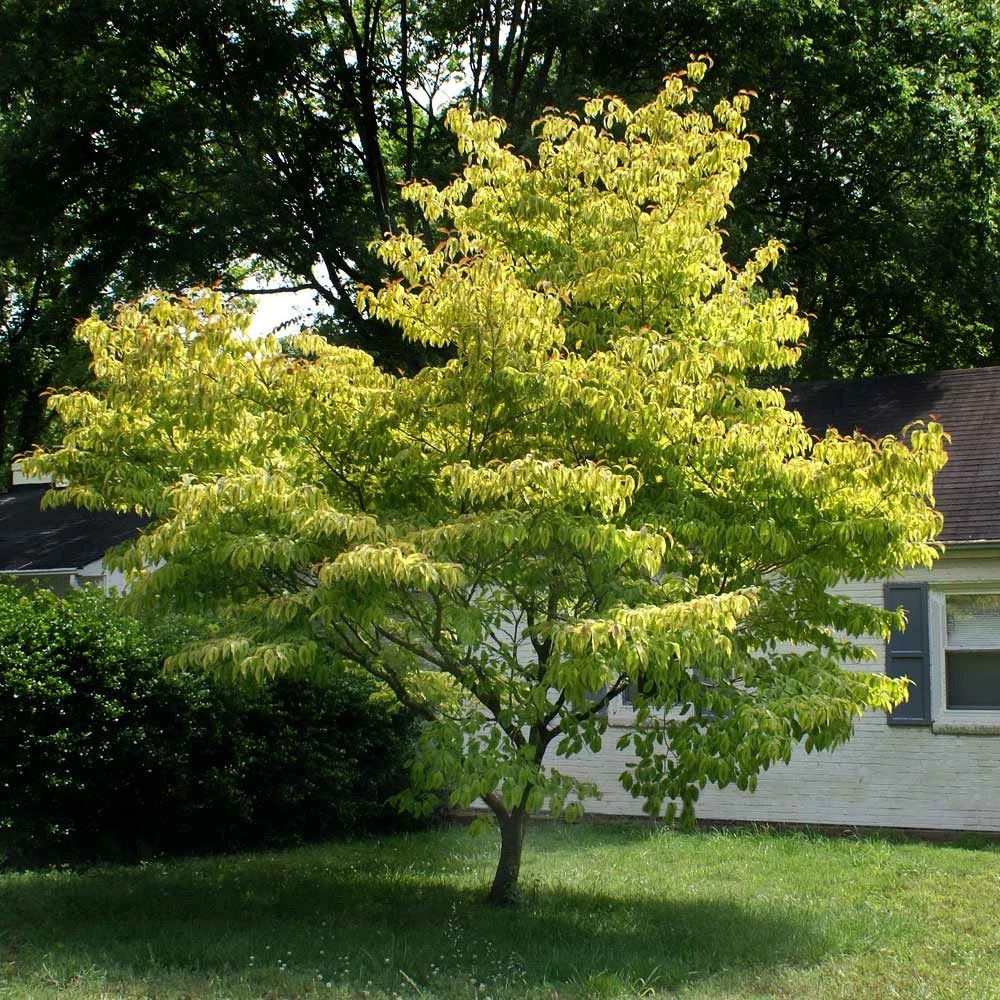
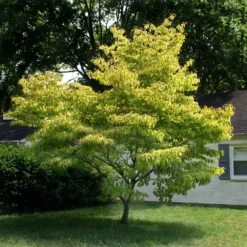
The Celestial Shadow Dogwood is the perfect accent tree. With its small size of only growing to about 25 tall and 20 feet wide it can fit anywhere. Even the smallest planting spaces can be graced by its beauty.
It may be pretty, but it’s also tough. This dogwood can handle a large variety of poor soil types, and it also has a high level of disease and pest resistance. Plant this tree and forget it, because it can almost take care of itself.
Supplies of this new and unique dogwood are selling out fast. We recommend ordering yours today before they are all gone!
Planting & Care
Location: Choose a planting site for your Celestial Shadow Dogwood that receives light or filtered shade. Dogwood trees are highly adaptable to many soil types, but they thrive in moist, fertile soils high in organic matter.
Planting Instructions:
1) Dig a planting hole for your Dogwood that is three times the diameter of your tree’s root ball and of equal depth.
2) Remove your Dogwood from its container and ensure the roots are moist.
3) Place your tree in the planting hole, keeping the top of the root ball even with the ground.
4) Adjust your tree’s position/angle then use the original soil to back fill the planting hole.
5) Spread the roots out evenly and surround them with soil, tamping down lightly as you fill to avoid air pockets, which can dry out the roots of your tree.
6) Water the area immediately to settle the soil.
7) Mulch around the base of the tree to conserve soil moisture. This will also keep competing growth (grass and weeds) from growing around the planting site.
Watering: Dogwood trees possess very shallow root systems that are susceptible to drying out in the absence of regular rainfall. It’s best to water your tree once or twice a week. Be sure to water correctly – light green leaves are a sign of over watering, while drooping leaves can signify both over- and under-watering. Watch for these and any other signs that your tree is getting too much or too little water.
Fertilization: If you choose to fertilize, do so sparingly in April or May. Any general purpose fertilizer will work.
Winter Dormancy: During late fall and winter, your dogwood will enter its dormant state. When this occurs, your tree’s leaves will fall off and the stem will turn brown. Above ground, nothing will take place during this time, but the roots of your tree will continue to grow beneath the surface. This winter root development will accelerate the growth of your tree come spring.
| Size | 1-2 ft., 2-3 ft., 3-4 ft., 4-5 ft., 5-6 ft., 6-7 ft. |
|---|
Be the first to review “Fast Growing Trees Dogwood Trees Celestial Shadow Dogwood”
Related products

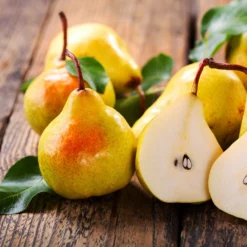
Fruit Trees
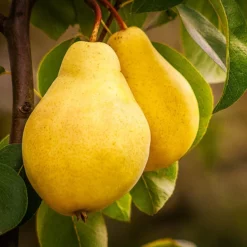
Fruit Trees
Arborvitae Trees


Additional Categories
Fruit Trees
Reviews
There are no reviews yet.