
Original price was: $29.95.$21.56Current price is: $21.56.
- Easy, Fast Returns Guarantee
- Effortless Shopping, Quality Products
- High quality products, hassle-free returns.
- Get the quality you deserve, for less.

Fragrant, Easy-Care Flowers!
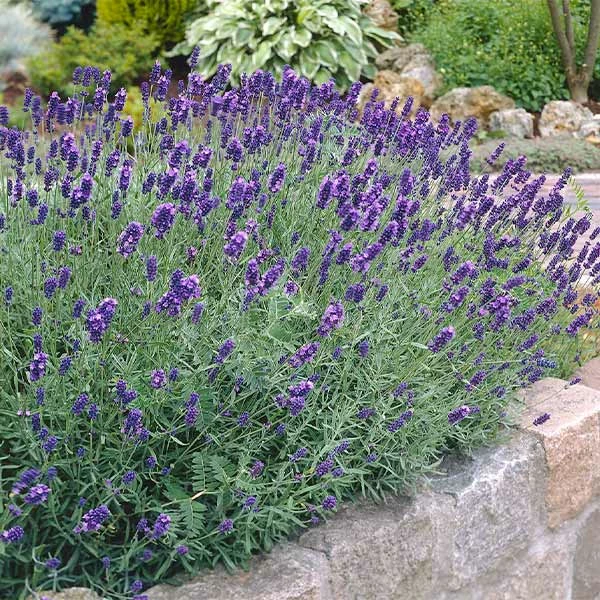
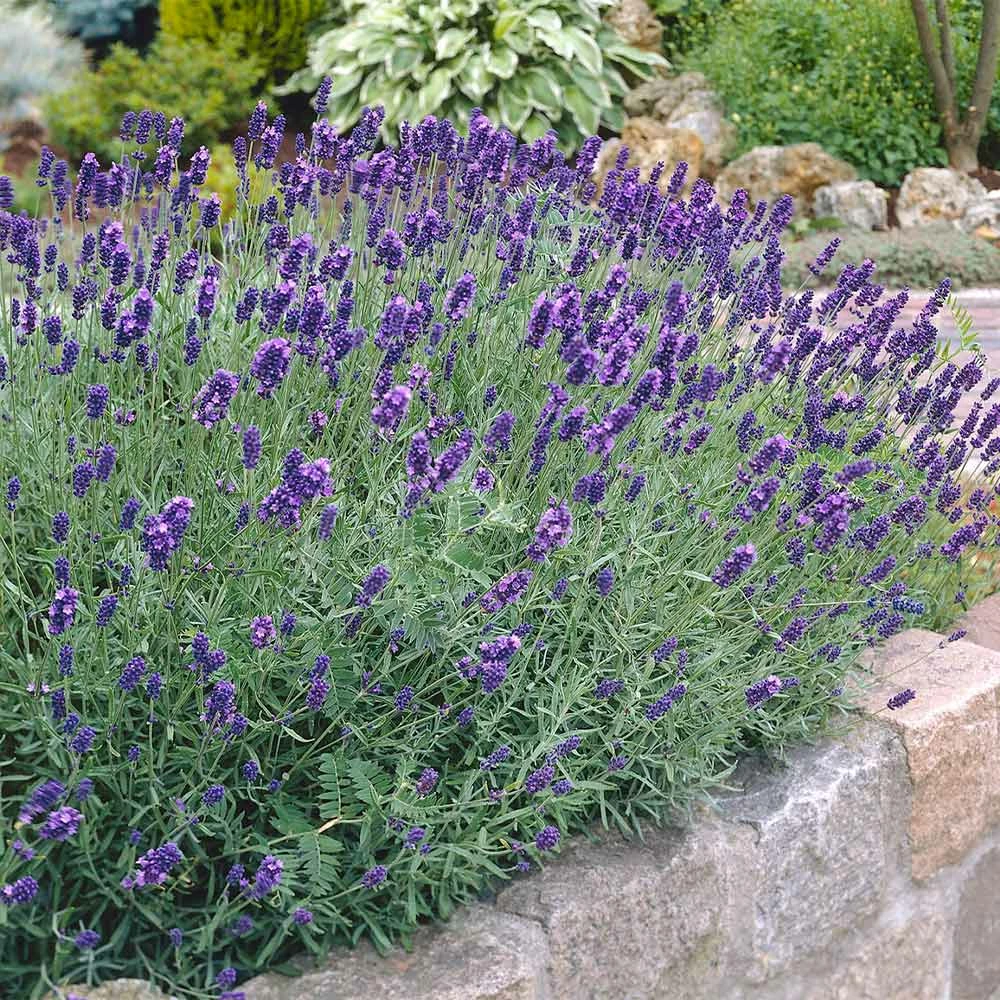
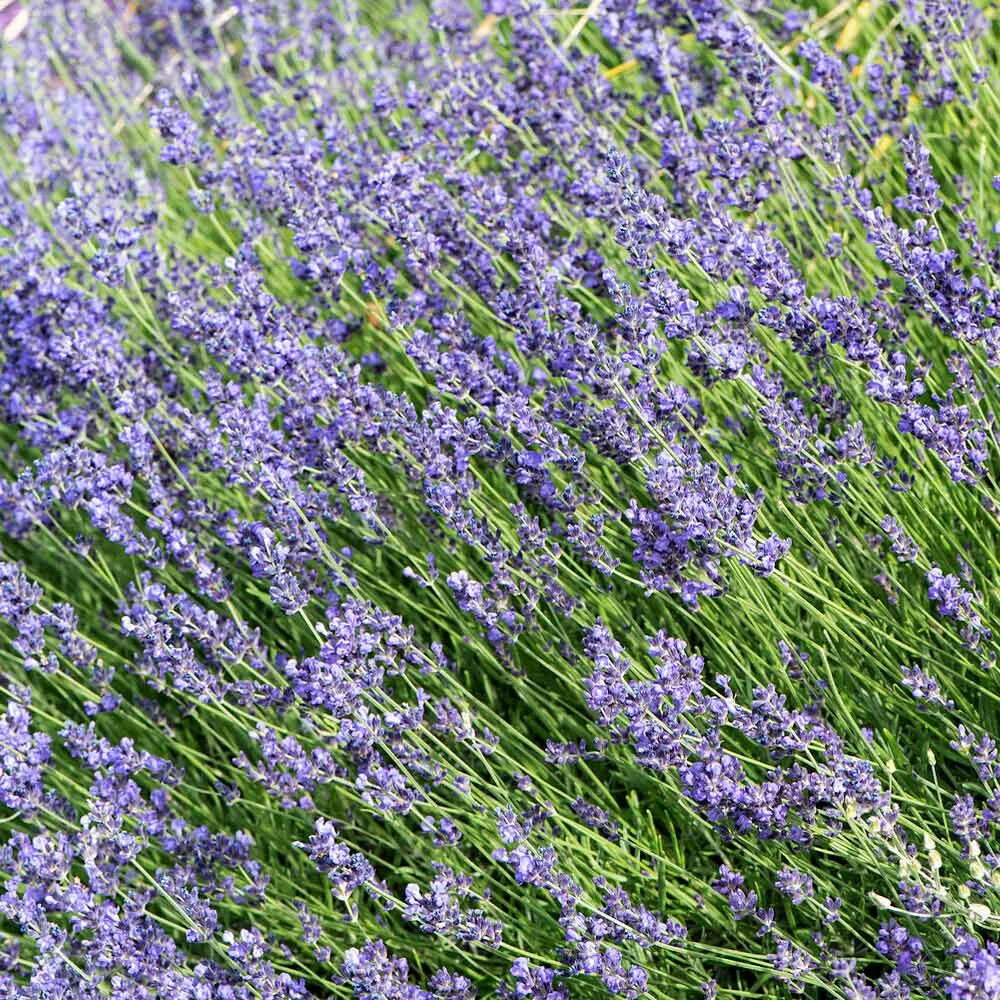
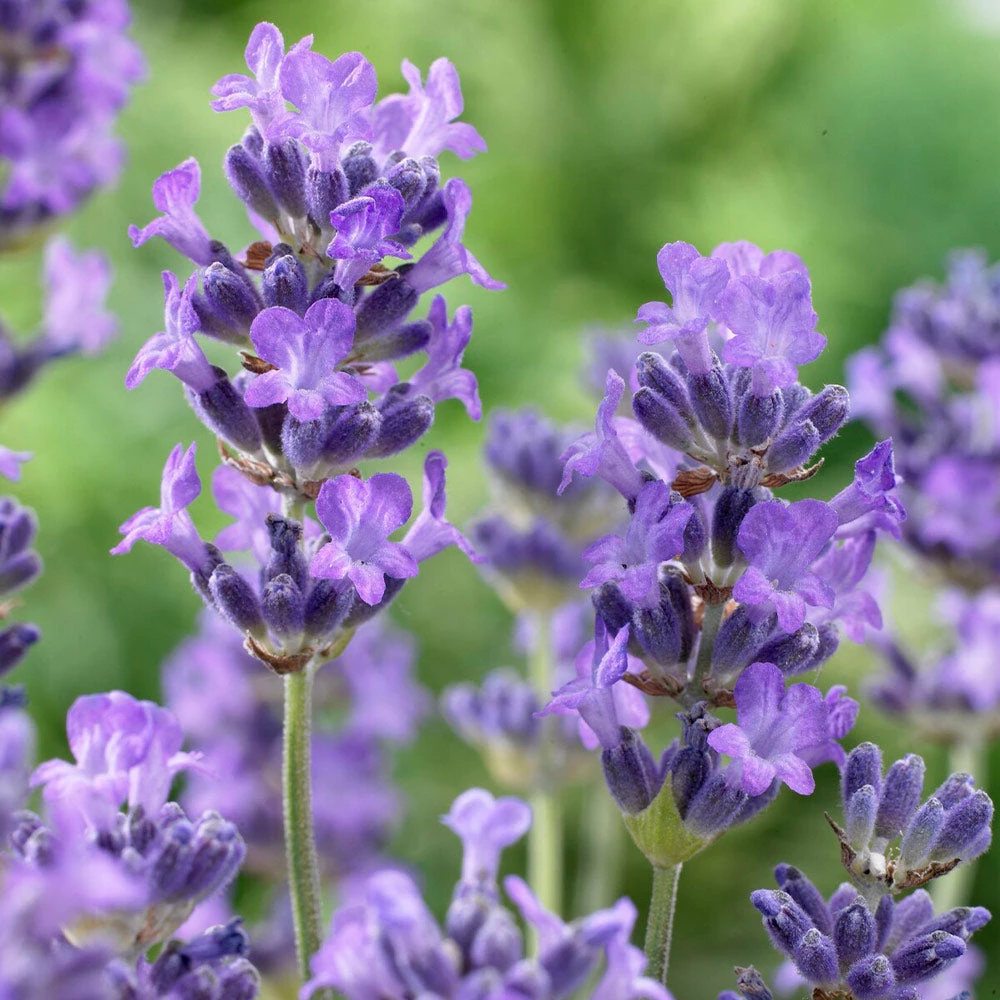
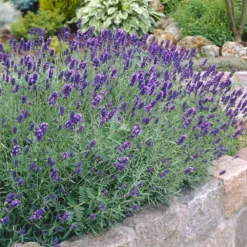
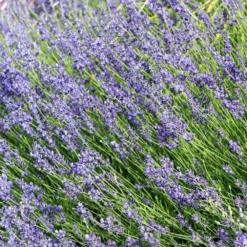
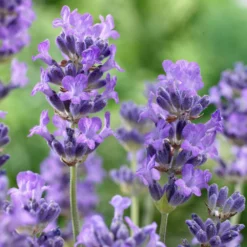
The Munstead Blue Lavender plant is an adaptable and beautiful flower, perfect for any yard! These stunning blue-lavender blooms are not only a colorful addition, but they have a sweet scent, too.
This plant is resistant to pests and diseases, while also withstanding high temperatures and low moisture seasons. Plus, it attracts butterflies while repelling unwanted bugs such as mosquitoes, flies, fleas, and ticks!
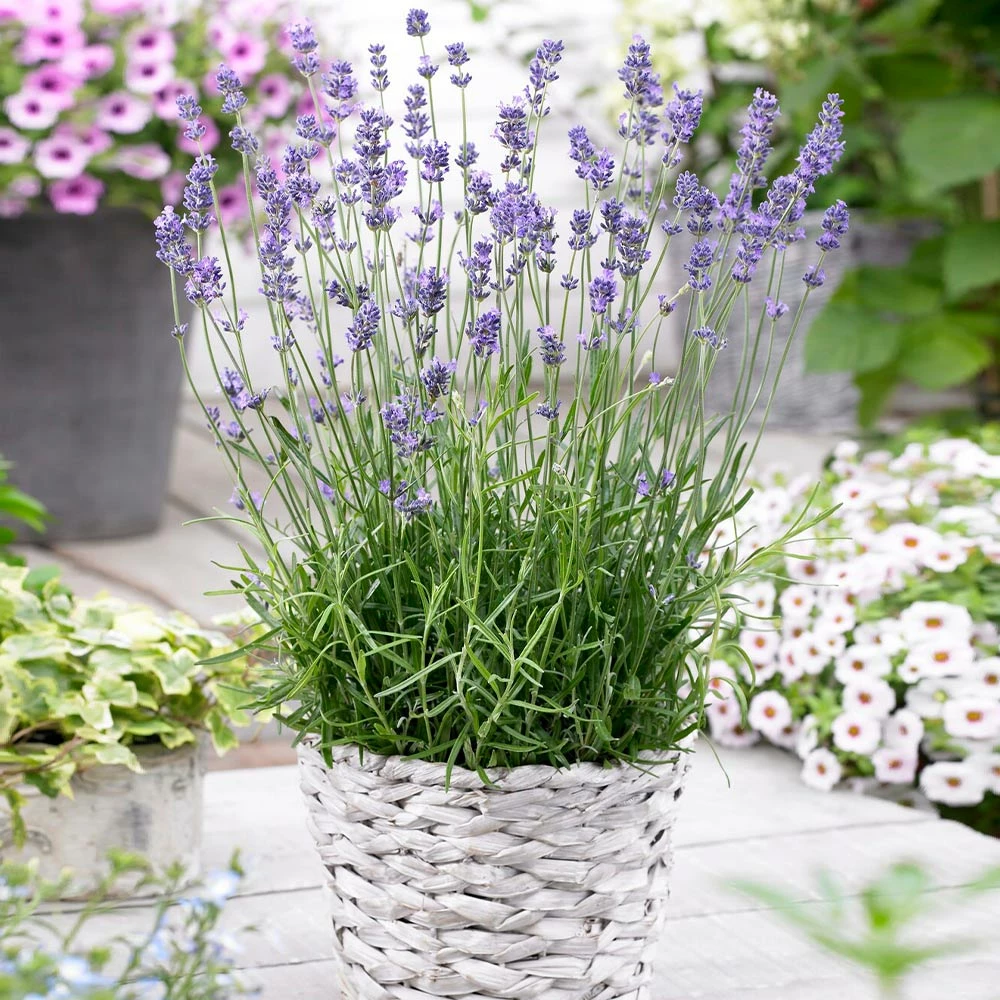
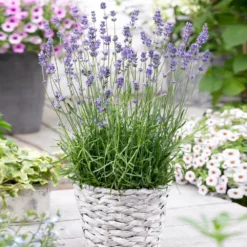
Plant this somewhere it can receive full sunlight and full attention! The gorgeous lavender hue will brighten any space in your yard, garden, or plant bed, and contrast beautifully against green foliage and other bright flowers. It’s even great in pots and containers.
The Munstead Blue Lavender requires little maintenance. In fact, it even thrives on neglect! Since it’s so easy to grow, it’s perfect for anyone just starting to develop their green thumb.
Clip it for arrangements or homemade potpourri, or watch it add color and lovely scent to your yard. It’s great for lining walkways or making a statement.
Order your own Munstead Blue Lavender today!
Planting & Care
1. Planting: Lavender will perform best if planted in a full sun location (6 to 8 hours of sun) with well-draining soil.
Dig a hole large enough to accommodate the Lavender’s root ball, loosen the soil, and place the plant. Backfill the hole, lightly tamping the soil, to prevent air pockets from forming.
If you’re container-planting, select a pot that’s about two sizes larger than your shipped container. Use sandy potting mix, place your plant, and fill with the soil mix, leaving a couple of inches at the top. Give the potted plant a good drink of water and place it in front of a south-facing window or on a sunny patio spot.
2. Watering: Once your Lavender is established, it’s generally drought tolerant but does like moist soil. If you’re not sure when to water, use your index finger. Stick it into the soil and if it feels dry, add just enough water to moisten the area.
3. Fertilizing: A weekly feeding with liquid fertilizer will improve the flower color as well as encourage prolific flowering.
4. Pruning: Prune after the coldest part of winter has passed. Proper pruning will include removing dead or damaged areas and any desired shaping.
| Size | 1 Gallon, 2 Gallon, 3 Pack (1 Gallon), 4 Pack (1 Gallon) |
|---|
Be the first to review “Fast Growing Trees Munstead Lavender See All Shrubs & Hedges”
Related products
Fruit Bushes

Arborvitae Trees
Erosion Control

Fruit Trees
Reviews
There are no reviews yet.