
Original price was: $119.95.$94.76Current price is: $94.76.
- Easy, Fast Returns Guarantee
- Effortless Shopping, Quality Products
- High quality products, hassle-free returns.
- Get the quality you deserve, for less.

Easy, Organic Growth with an Early Harvest!
Why Sundollar Nectarine Trees?
Looking to add organic fruit to your home garden? The Sundollar Nectarine is the perfect choice.
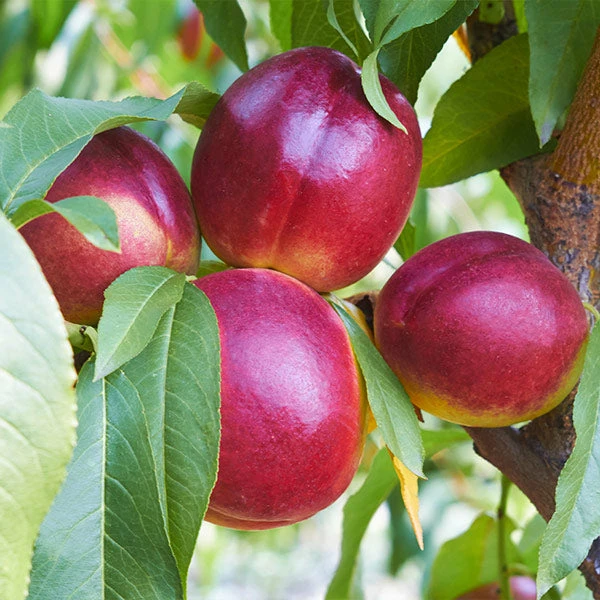
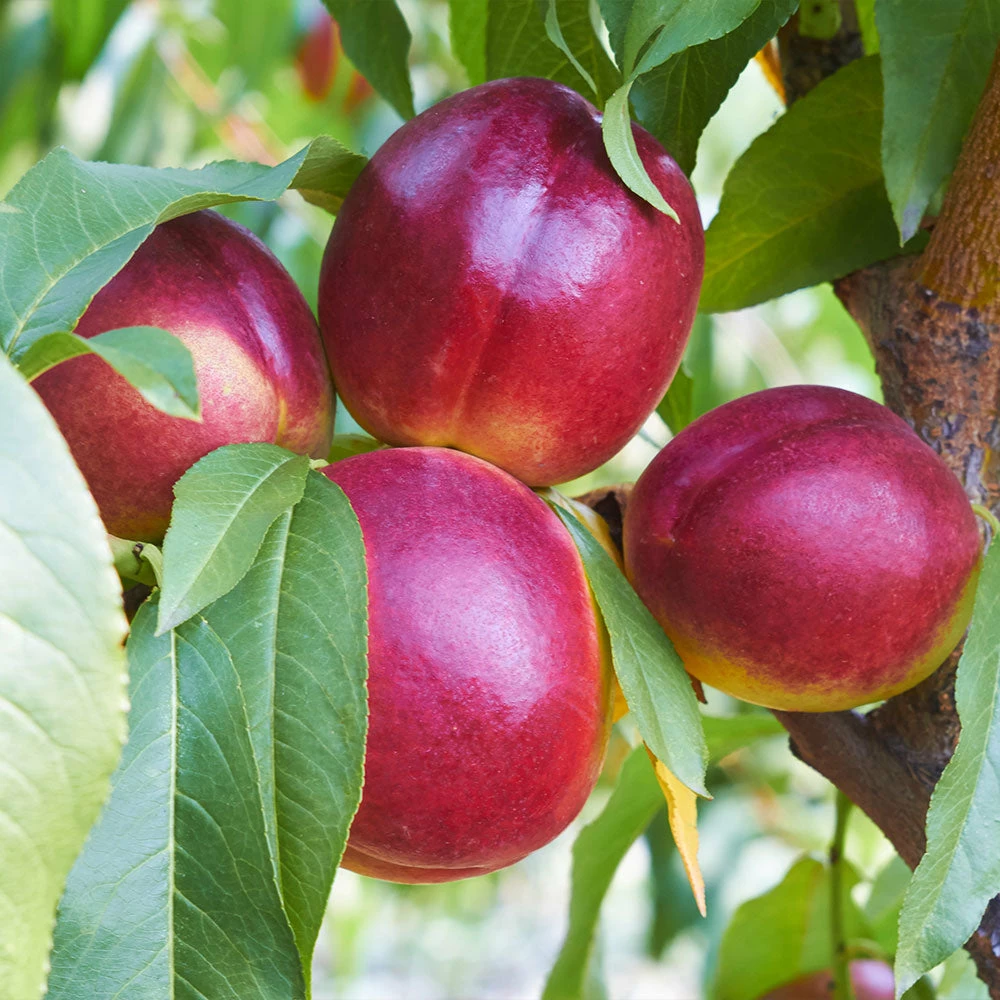
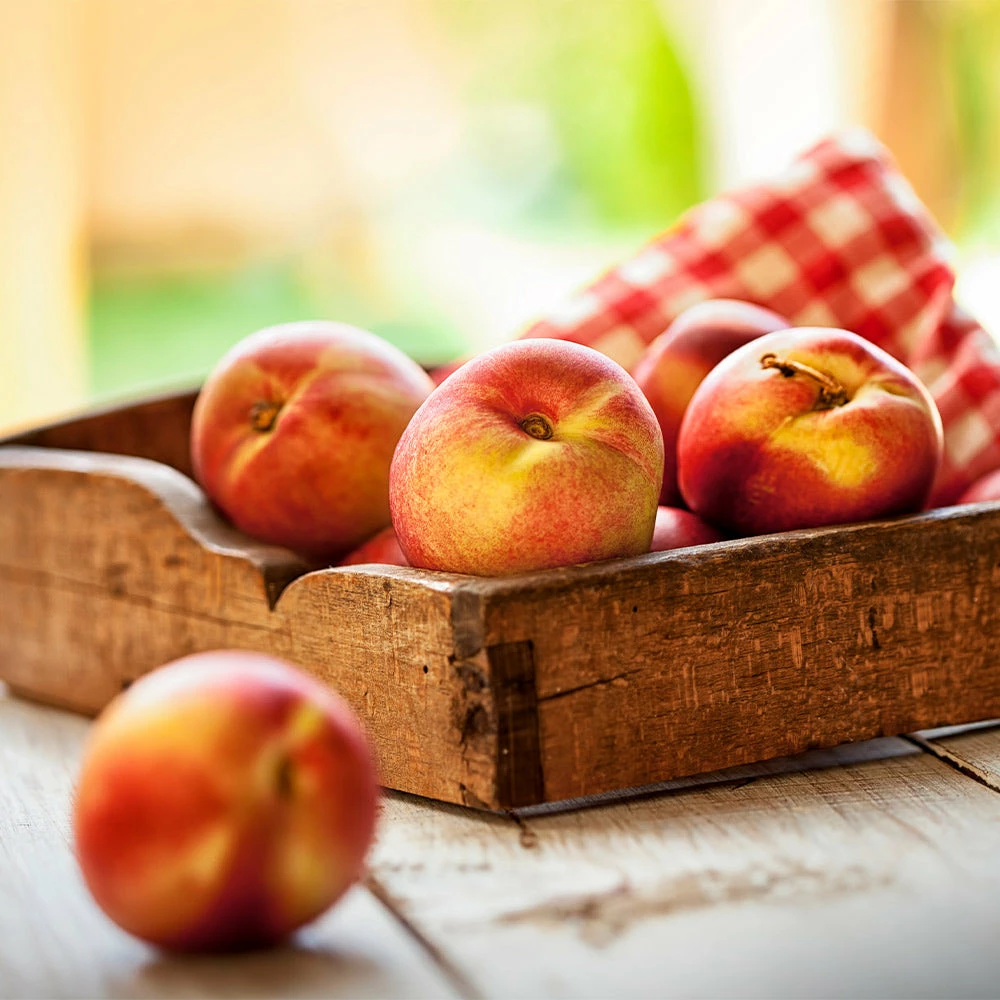
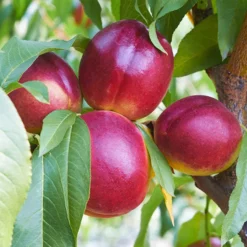
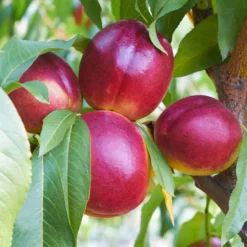
The Sundollar grows sweet, medium-sized, semi-freestone fruit that’s equally tasty for baking, canning or eating fresh. It’s sunny-yellow flesh has a red blush, and it’s one of the first fruits to ripen each year, with a harvest in May to June. Perfect for warmer climates, the Sundollar thrives in zones 6-9 and requires just 400 chill hours.
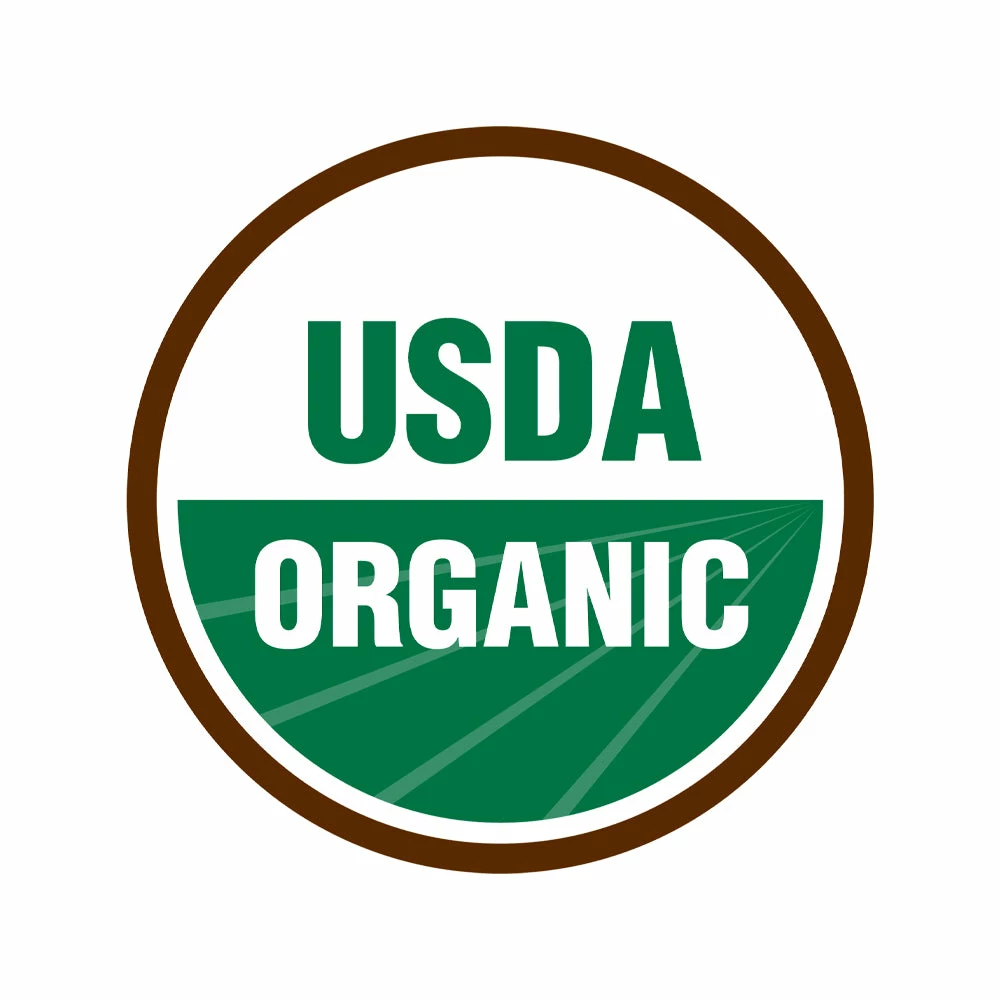
Plus, this easy-growing, self-pollinating Nectarine Tree is certified USDA Organic – so you can grow sweet fruit at home, without worrying about harsh chemicals.
Why FastGrowingTrees.com is Better
Your organic Sundollar Nectarine will produce tons of sweet fruit, earlier in the season than other nectarine varieties – and without the harsh chemicals. But the best part? We’ve nurtured and grown your Sundollar Nectarine in our greenhouse, months before shipping, so it arrives ready to thrive in your landscape.
We’ve done the hard work for you, so you won’t have to put in work to get a bounty of delicious nectarines.
Don’t wait – these organic Nectarine Trees will sell fast. Order your Sundollar Nectarine Tree today!
Planting & Care
1. Planting: Plant your nectarine tree in well-drained soil in a location where it will receive full sun (at least 6-8 hours of sunlight a day). Heavy winds and early frosts can damage the blossoms, so be sure to protect your tree by planting on the sunniest side of a building or your home.
From there, dig a hole twice as wide as the root ball and just as deep. Amend the soil around the hole with compost to ensure the tree has proper drainage.
2. Watering: Keep the soil around the tree moist but not saturated. Watering once a week by leaving a hose at the base of the tree for a few minutes is generally sufficient.
3. Fertilizing: After your tree has been in the ground for six weeks and the danger of frost has passed, apply a well-balanced fertilizer formula, such as 12-12-12.
4. Pruning: Prune the first two years in order to maintain an open center shape and encourage fruit production. Prune your tree in late winter or early spring using pruning shears and making your cuts at a 45-degree angle.
| Height | 5-6 ft., 6-7 ft. |
|---|
Be the first to review “Fast Growing Trees See All Fruit Trees Sundollar Nectarine Tree (USDA Organic)”
Related products

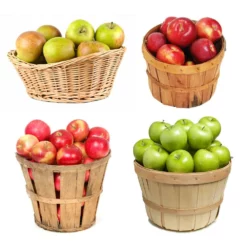
Apple Trees
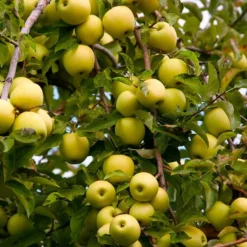
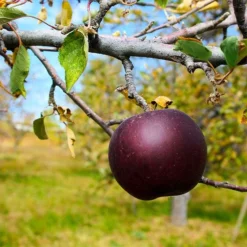
Apple Trees
Apple Trees
Additional Categories


Apple Trees
Reviews
There are no reviews yet.